
Best Time for a Cape Town Bus Tour: Seasonal Weather & Travel Tips

Cape Town is one of the world’s most fascinating cities, combining stunning landscapes, rich history, and a vibrant cultural scene. A sightseeing bus tour is one of the easiest ways to explore the city’s highlights at your own pace while enjoying the views comfortably. Choosing the right time of year for your trip can make a big difference in terms of weather, crowds, and overall enjoyment, especially if you plan to spend time on an open-top bus.

Cape Town enjoys a Mediterranean climate with warm, dry summers and mild, wet winters, which influences the ideal season for sightseeing. Summer, from December to February, brings hot, dry days with plenty of sunshine, perfect for enjoying outdoor activities. However, it’s also the busiest time of year, with more tourists and local events creating lively but crowded conditions. Autumn, from March to May, offers cooler temperatures, less rainfall, and a more relaxed atmosphere, making it one of the most comfortable periods for exploring the city. Winter, between June and August, is the wettest season, with cooler temperatures and occasional heavy rains, which can limit comfort for outdoor tours. Spring, September to November, is another excellent period, with mild weather, blooming landscapes, and generally fewer visitors.

Weather has a major impact on your sightseeing experience. Clear, sunny days offer the best views of iconic landmarks like Table Mountain, the coastline, and the vineyards surrounding the city. Strong winds or rain can make the upper deck of an open-top bus uncomfortable or unsafe, so it’s important to be prepared. Dressing in layers, bringing a light jacket, and keeping sunscreen and a hat handy are practical steps no matter the season.

Each season offers unique advantages. Summer provides long days, vibrant energy, and opportunities for beach stops or outdoor dining, but requires early booking and preparation for heat and crowds. Autumn and spring are the most balanced, offering mild weather, fewer tourists, and excellent visibility for photography and sightseeing. Winter, while quieter and often more affordable, is best suited for travelers who prefer a less lively experience and are prepared for wet or unpredictable conditions.

Seasonal festivals and events also influence the sightseeing experience. Cape Town hosts numerous cultural and music events, particularly during the summer months. These festivals add a lively atmosphere but can lead to crowded stops and traffic delays. Planning ahead, booking your bus tour tickets early, and allowing extra travel time can help you enjoy the experience without frustration.

Daylight hours also affect how much you can see. Summer offers longer days, giving more time to explore multiple neighborhoods, landmarks, and viewpoints. Winter days are shorter, so timing your tour to start earlier ensures you can enjoy as much of the city as possible before dusk. Additionally, some seasonal routes, attractions, or stops may close temporarily for maintenance or due to weather, so checking for updates before your visit can prevent disappointment.

Beyond city sights, Cape Town’s natural beauty and wildlife opportunities can vary with the seasons. Spring brings colorful wildflowers across the region, while autumn and summer are ideal for clear views of the coastline and Table Mountain. Winter rains can create dramatic skies and lush green landscapes, offering a different but equally impressive perspective. By planning your trip according to these conditions, your bus tour becomes more than just sightseeing—it becomes a truly immersive experience.

To make the most of your Cape Town bus tour, consider timing your day to avoid midday heat in summer or colder morning temperatures in winter. Layering your clothing, wearing comfortable shoes, and bringing water or light snacks ensures comfort throughout the day. Even in less ideal weather, the buses provide an easy and safe way to see the city’s highlights while staying relatively dry and protected.

Overall, Cape Town is a city that shines year-round, but spring and autumn offer the best combination of weather, lighter crowds, and clear views. Summer delivers energetic vibes, long days, and ideal outdoor conditions but requires careful planning for heat and crowds. Winter is quieter and more affordable, though less predictable weather may limit some activities. Understanding the season you’re visiting allows you to pack appropriately, plan your stops efficiently, and fully enjoy the city from the top deck of a sightseeing bus.

For travelers, the takeaway is clear: the right timing enhances your experience dramatically. Planning for mild weather, being aware of festivals, and preparing for seasonal variations in daylight and climate ensures that a Cape Town bus tour is comfortable, enjoyable, and visually unforgettable. Whether you’re visiting during the peak of summer or the quieter winter months, the city’s beauty, culture, and energy make it a destination worth exploring from the unique perspective of a sightseeing bus.

Spring and autumn are generally recommended for those seeking mild weather, fewer crowds, and optimal conditions for photography and sightseeing. Summer offers long, sun-filled days and bustling energy for a lively experience. Winter suits travelers who prefer peace, lower prices, and don’t mind cooler, wetter conditions. By choosing the season that matches your travel style, you can maximize your enjoyment of Cape Town’s spectacular landscapes, vibrant culture, and unforgettable views from the top of a bus.

8 Authentic Cafés in Athens Loved by Locals

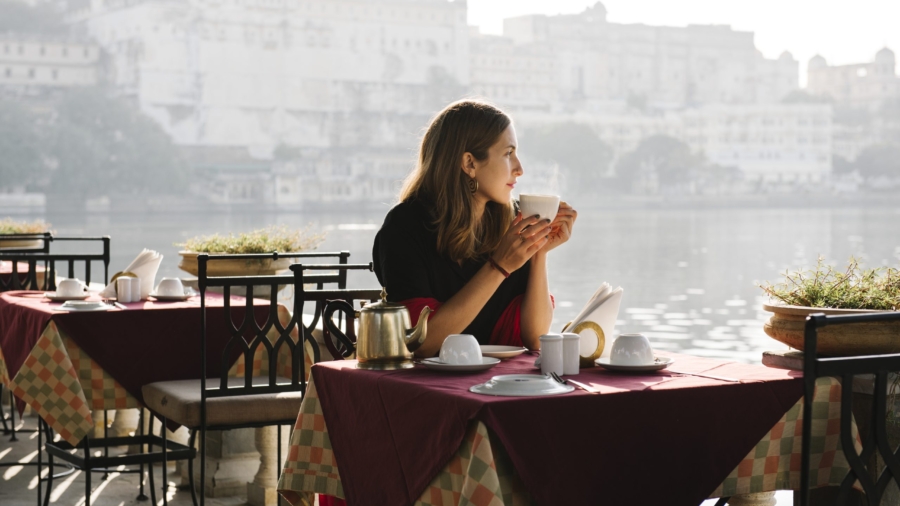
In Athens, coffee isn’t just a drink—it’s a ritual, a way of life. Locals linger over their cups, meeting friends, watching the city unfold from sunlit terraces, or stealing a few quiet moments for themselves. Cafés and canteens line nearly every street, each with its own personality, from cozy corners to bustling, creative spaces. Among these, a few special spots capture the heart of the city, blending warmth, charm, and the unmistakable Athenian energy.

Kimolia Art Cafe, tucked near Syntagma Square, surprises visitors with its mix of Art Deco and Parisian vibes. Its cozy interior is dotted with paintings, antiques, and handicrafts, creating an inviting space to relax. Occasional art exhibits and book sessions add a cultural touch, making it the perfect place for leisurely coffee and conversation.

Vrysaki, in Monastiraki, is a cafe-bar set in a restored neoclassical building. Its shaded courtyard, upstairs balcony, and rooftop terrace offer tranquil views of the Acropolis, a quiet escape from the busier streets below. Inside, cosy rooms host local art exhibitions, while the café serves quality coffee and gourmet snacks, giving visitors a moment of calm and culture in the heart of Athens.

For those who want a coffee with a view, Ciel Athens is hard to beat. Located near Monastiraki, its terrace offers a 360-degree panorama of the Acropolis and the surrounding streets. Even when it’s chilly outside, the interior provides large windows to enjoy the cityscape. Here, you can savor coffee, sweets, and light meals while taking in one of the most iconic vistas Athens has to offer.

Little Tree, just steps from the Acropolis Museum, combines the charm of a bookstore with a café. Developed by a group of friends as a local gathering place, it is packed with books and keeps up with the latest editions. Coffee, tea, pastries, and snacks are served alongside a curated selection of wines. It’s the kind of place where locals linger for hours, reading, chatting, or simply enjoying a calm coffee break.

Aerostato, in Pagrati’s Proskopon Square, offers a blend of neighborhood charm and laid-back elegance. By day, it serves coffee and light lunches, and in the evening, the space comes alive with jazz music and a welcoming bar. The retro-inspired decor, round tables, and relaxed atmosphere make it an inviting spot to linger from morning into night.

For a sweeter stop, another Pagrati café delights with handcrafted desserts and well-chosen coffee and tea. Its modest interior and small outdoor tables make it perfect for people-watching while enjoying classic treats. It’s the kind of cozy corner that makes you want to pause, savoring both the flavors and the rhythm of local life.

Kyrios Xou, in Petralona, is an all-day café-bar set in a 1930s villa. With sun-filled patios for brunch or coffee and a welcoming atmosphere for evening drinks, it combines modern comfort with a historic setting. The café’s emphasis on fresh ingredients and a relaxed, friendly environment makes it a favorite among locals seeking both quality and charm.

Finally, the Roasting Warehouse in Neos Kosmos brings a distinctly different vibe, inspired by Australian coffee culture. The spacious interior houses a professional roasting workshop, where blends and single-origin coffees are prepared fresh. Alongside expertly crafted coffee, visitors can enjoy pastries and brunch items. It has quickly become a hub for specialty coffee enthusiasts looking for a modern, lively coffee experience in Athens.

In Athens, coffee is more than a beverage—it’s a part of daily life that shapes the city’s rhythm. From terraces with iconic views to quiet corners filled with books and conversation, each café tells a story. These eight spots, loved by locals, offer more than just a cup of coffee—they provide connection, inspiration, and the chance to slow down and savor life. Experiencing these cafés is experiencing Athens itself: warm, vibrant, and endlessly inviting.

Malta Day Trips to Valletta, Mdina, and Rabat

Malta may be a small island, but its history and culture run deep. Spending a day exploring Valletta, Mdina, and Rabat can feel like traveling through centuries, from the knights of the Order of St. John to World War II, and from Roman ruins to medieval palaces. Each town offers a distinct experience, giving you a glimpse into Malta’s layered identity and vibrant past.

Getting between Valletta, Mdina, and Rabat is straightforward. Public buses connect all three destinations, while taxis and ride apps provide quicker point-to-point travel. For those who prefer complete flexibility, renting a car allows you to explore at your own pace. While it’s possible to visit all three in a single busy day, many travelers prefer to split the itinerary over two days to enjoy a slower, more immersive experience.

Valletta, Malta’s fortress capital, rises above the Grand Harbour with its honey-coloured walls, ornate balconies, and a carefully designed street layout built for defense. Constructed by the Order of St. John after the Great Siege of 1565, the city marries military strength with lavish Baroque architecture. Within a compact area, you’ll find museums, churches, theaters, and elegant historic homes tucked between cafés and scenic lookout points. Whether you’re drawn by history, panoramic views, or simply wandering the streets, Valletta offers an impressive range of experiences in a walkable space.

Key sights include St. John’s Co-Cathedral, a Baroque masterpiece adorned with remarkable artworks, including Caravaggio’s famous painting. The Upper Barrakka Gardens provide spectacular views over the Grand Harbour and the Three Cities, while Casa Rocca Piccola, a 16th-century palace, offers insight into Malta’s aristocratic past. The Grand Harbour itself is breathtaking, best appreciated from a harbor-side stroll or a short cruise.

Mdina, known as the Silent City, sits at the heart of the island on a high ridge visible from miles away. Once the seat of Maltese nobility, this walled city feels remarkably untouched by time. Its narrow lanes, lantern-lit corners, and warm limestone buildings create a peaceful, almost magical atmosphere. Vehicle restrictions keep the streets calm, allowing visitors to take in the quiet beauty of balconies, courtyards, and distant countryside with ease. Mdina becomes especially striking in the evening, when day visitors have left and the stillness settles over the city.

Highlights of Mdina include St. Paul’s Cathedral, an architectural gem standing proudly in the city center, and Mdina Gate, a stunning Baroque entrance that frames the historic streets beyond. Palazzo Falson, a medieval house-museum, offers a fascinating collection of artifacts from centuries past, while walking the city walls gives sweeping views over much of Malta.

Just outside Mdina, Rabat reveals another side of the island. While Mdina reflects medieval elegance, Rabat showcases Malta’s Roman and early Christian heritage. Its streets wind past archaeological sites, chapels, and networks of ancient catacombs that tell the story of how people lived, worshipped, and were buried centuries ago. The town maintains a local, down-to-earth vibe, with cafés, bakeries, and neighborhood life unfolding alongside these historic treasures.

In Rabat, highlights include St. Paul’s Catacombs, an extensive underground burial network dating back to Roman times, and the Domus Romana, a museum built around the remains of a Roman townhouse with beautifully preserved mosaics. St. Paul’s Grotto, a sacred cave linked to the Apostle Paul’s shipwreck in Malta, adds another layer to the town’s spiritual and historical significance.

Whether wandering the Baroque streets of Valletta, exploring the medieval calm of Mdina, or tracing Malta’s early Christian past in Rabat, these day trips reveal the island’s unique character. Joining a guided tour can help remove the stress of planning and ensures you don’t miss the fascinating stories hidden behind the walls and in the quiet corners of these historic towns.

Malta’s combination of history, architecture, and local culture makes it perfect for day trips that feel rich and fulfilling, even within a limited timeframe. Exploring Valletta, Mdina, and Rabat offers a compact but deeply immersive journey through the island’s past, while also allowing time to enjoy the cafés, streets, and scenery that make Malta feel like a living museum. Whether you’re a history enthusiast, a cultural explorer, or simply seeking beautiful sights and charming streets, these day trips provide an unforgettable introduction to the heart of Malta.

What to Do for a Day Trip in Nairobi: The Ultimate 24-Hour Itinerary

Nairobi, Kenya’s bustling capital, is often called “the city in the sun”—a vibrant crossroads where modern urban life blends seamlessly with wildlife and culture. While many travelers use the city as a stopover before a safari, Nairobi itself offers unforgettable experiences. Even with just one day, you can enjoy wildlife, history, food, and iconic attractions, making the most of your 24 hours in this dynamic city.

Start your morning early with a game drive at Nairobi National Park, the only national park in the world located within a capital city. Arriving around sunrise gives you the best chance to see animals when they are most active. Despite its proximity to the city, the park offers a surprisingly wild experience. Lions, giraffes, rhinos, zebras, buffaloes, and various antelope species roam freely, with the city skyline in the distance. Birdwatchers will also be delighted with the over 400 species that call the park home. For the best experience, bring binoculars, wear neutral clothing, and pack a light breakfast or snacks.

After your early morning adventure, head to the David Sheldrick Wildlife Trust, a sanctuary for orphaned baby elephants and rhinos. The center is open to the public for a limited hour each morning, so timing is essential. During your visit, you’ll see baby elephants being fed, playing in the mud, and interacting with their caretakers, who share the moving stories behind each rescued animal. This experience offers an inspiring insight into Kenya’s conservation work, combining fun with a meaningful purpose.

Next, make your way to the Giraffe Centre, another iconic Nairobi attraction. This non-profit organization focuses on the conservation of the endangered Rothschild’s giraffe. Visitors can hand-feed giraffes from an elevated platform and even enjoy a playful “giraffe kiss,” holding a pellet in your mouth for a memorable photo opportunity. The center is particularly enjoyable in the early afternoon when it tends to be less crowded, allowing for a relaxed and interactive experience.

By midday, it’s time to enjoy Nairobi’s culinary offerings. Depending on your taste, you can opt for a tranquil garden-style lunch at a popular local restaurant offering eclectic dishes and serene ambiance, or a lively meat-focused feast with a wide variety of local and exotic options in a safari lodge-style setting. Both provide a delicious taste of Nairobi’s diverse food scene and a chance to recharge before your afternoon activities.

In the early afternoon, immerse yourself in culture by visiting either the Karen Blixen Museum, the former home of the Danish author of Out of Africa, or the National Museums of Kenya, which offers a comprehensive look at Kenyan heritage and ancient human fossils. Both sites provide fascinating historical insights and a break from the city’s bustle. Nearby, small stops like Kazuri Beads allow you to explore local artisan crafts and support sustainable community projects. Here, handcrafted jewelry and pottery are created by local women, providing a meaningful cultural experience and unique souvenirs.

As the afternoon winds down, take a short coffee or gelato break at one of Nairobi’s many cafés. Whether you prefer artisanal coffee, pastries, or gelato, this is the perfect time to relax and recharge for the evening.

If you have the energy, consider a brief evening stop at a museum showcasing Kenya’s railway history or explore a bustling local market for souvenirs and craft items. Nairobi’s history, culture, and urban charm can be discovered even in a short stroll through the city’s central districts.

Wrap up your day with dinner or drinks at a rooftop restaurant or bar with city views. Nairobi offers options ranging from lively outdoor venues with music and local food trucks to elegant rooftop restaurants featuring international cuisine. Choose a location convenient to your accommodation or the airport if you’re heading out afterward.

When navigating Nairobi, use trusted taxis or ride-hailing services, as traffic can be unpredictable. Stick to well-known areas, keep your belongings secure, and plan travel time carefully, especially if you need to reach the airport. Nairobi’s weather is mild year-round, but mornings can be cool, so dress in layers to stay comfortable throughout the day.

Even in just 24 hours, Nairobi offers a rich blend of wildlife, culture, and city energy. From sunrise game drives and elephant encounters to historic sites, artisan workshops, and rooftop dining, the city delivers a remarkable taste of Kenya’s spirit. Whether you’re on a layover or passing through on your way to a safari, Nairobi provides an unforgettable day filled with adventure, discovery, and memories that last long after you leave.