
Nutrition Tips for Hormonal Balance and Menstrual Health

Maintaining hormonal balance is essential for overall well-being, especially for women navigating menstrual cycles and reproductive health. Nutrition plays a crucial role in supporting hormone production and regulation, which can influence menstrual health. In this blog, we’ll explore effective nutrition tips to promote hormonal balance and support menstrual health, as recommended by experts.

Understanding Hormonal Balance and Menstrual Health

Hormones such as estrogen, progesterone and testosterone play pivotal roles in regulating the menstrual cycle, mood, energy levels and fertility. Imbalances in these hormones can lead to irregular periods, mood swings, fatigue and other symptoms that affect daily life and reproductive health.

Essential Nutrition Tips for Hormonal Balance
Eat a Balanced Diet

A balanced diet rich in whole foods provides essential nutrients that support hormonal balance. Include a variety of:

Fruits and Vegetables: Rich in antioxidants and phytochemicals that help regulate hormone production and reduce inflammation.
Whole Grains: Provide fiber and B vitamins that support energy levels and help stabilize blood sugar.
Lean Proteins: Sources like chicken, fish, tofu and legumes provide amino acids necessary for hormone synthesis.
Healthy Fats: Avocados, nuts, seeds and olive oil contain omega-3 fatty acids and monounsaturated fats that support hormone production and reduce inflammation.

Manage Blood Sugar Levels

Stabilizing blood sugar levels is crucial for hormone balance, particularly insulin. To maintain balanced blood sugar levels:

Limit Refined Carbohydrates: Minimize intake of sugary foods, white bread and pastries that can cause spikes in blood sugar.
Choose Complex Carbohydrates: Opt for whole grains, vegetables and fruits that provide sustained energy and fiber.
Combine Carbohydrates with Protein: Pairing carbohydrates with lean proteins helps slow digestion and minimize blood sugar fluctuations.

Support Gut Health

A healthy gut microbiome is linked to improved hormone metabolism and overall health. To support gut health:

Include Probiotics: Yogurt, kefir, sauerkraut and other fermented foods contain beneficial bacteria that support gut flora.
Eat Fiber-Rich Foods: Whole grains, fruits, vegetables and legumes provide prebiotics that feed beneficial gut bacteria.
Limit Processed Foods: Minimize intake of processed foods and artificial sweeteners, which can disrupt gut microbiota.

Incorporate Hormone-Balancing Foods

Certain foods contain compounds that support hormone balance:

Flaxseeds: Rich in lignans, which have estrogenic properties that may help balance hormone levels.
Leafy Greens: Spinach, kale and Swiss chard contain magnesium and iron, which support menstrual health and hormone production.
Berries: Blueberries, strawberries and raspberries are rich in antioxidants that help reduce inflammation and support overall health.

Stay Hydrated

Drinking plenty of water supports cellular function and helps maintain hormone balance. Strive to drink 8-10 glasses of water daily, adjusting based on your individual hydration needs and activity levels.

Manage Stress Levels

Chronic stress can disrupt hormone balance and exacerbate menstrual symptoms. Engage in activities known to alleviate stress, such as practicing mindfulness meditation, participating in yoga sessions, doing deep breathing exercises, or enjoying hobbies that foster relaxation. Adequate sleep is also crucial for hormone regulation, so aim for 7-9 hours of quality sleep each night to support overall well-being.

Limit Alcohol and Caffeine Intake

Excessive alcohol and caffeine consumption can interfere with hormone production and metabolism. Limiting alcohol intake and moderating caffeine consumption can help maintain hormonal balance. Consider replacing caffeinated beverages with herbal teas or water infused with fruit for hydration without added stimulants.
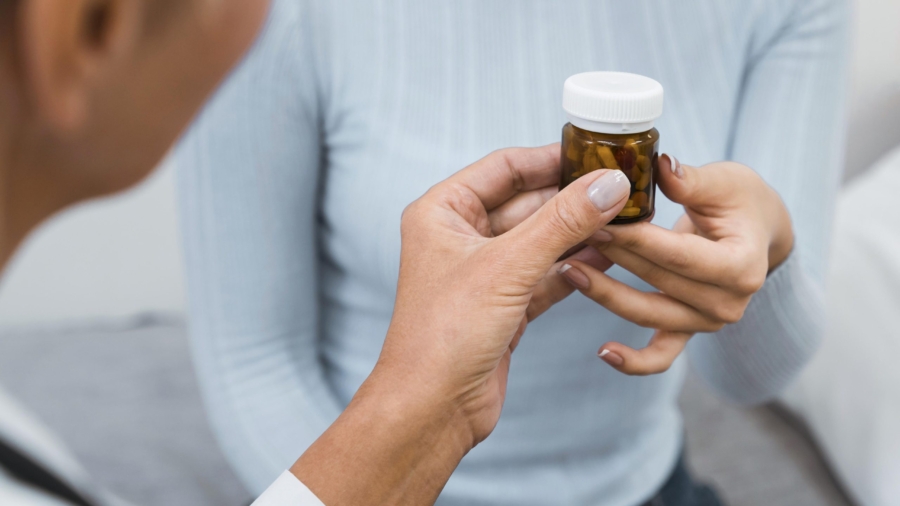

Understanding Hormone Replacement Therapy

Women’s bodies undergo significant hormonal shifts throughout their lives. From the reproductive years through perimenopause and menopause, these fluctuations can bring about a range of changes and, sometimes, unwelcome symptoms. We understand the impact these hormonal shifts can have on your well-being, and that’s why we want to shed light on a potential treatment option: Hormone Replacement Therapy (HRT).

What is Hormone Replacement Therapy and How Does it Work?

Hormone Replacement Therapy is a treatment used to supplement or replace hormones that the body is no longer producing adequately. Primarily, HRT focuses on replacing estrogen and sometimes progesterone (or progestin, a synthetic form of progesterone). These hormones play crucial roles in numerous bodily functions, including regulating the menstrual cycle, maintaining bone density, influencing mood, and supporting urogenital health.

During perimenopause and menopause, the ovaries gradually decrease their production of these key hormones. HRT works by delivering estrogen and/or progestin into the body through various methods, such as pills, patches, creams, gels, or vaginal rings. The goal is to restore hormone levels, thereby alleviating symptoms caused by hormonal deficiency.

Health Conditions HRT Can Help Manage

While often associated with menopause, HRT can be beneficial for managing symptoms related to other health conditions as well. The most common applications include:

Menopausal Symptoms: This is the most well-known use of HRT. It can effectively relieve common symptoms like hot flashes, night sweats, vaginal dryness, sleep disturbances, and mood swings that occur due to declining estrogen levels.

Osteoporosis Prevention: Estrogen plays a vital role in maintaining bone density. HRT can help prevent bone loss and reduce the risk of osteoporosis and fractures in postmenopausal women.

Premature Ovarian Insufficiency (POI): Also known as early menopause, POI occurs when the ovaries stop functioning before the age of 40. HRT is often recommended for women with POI to replace the hormones their bodies are no longer producing, helping to manage symptoms and protect long-term health.

The Link to Women’s Health Conditions We Treat

You might be wondering how HRT relates to conditions like endometriosis, fibroids, polycystic ovary syndrome (PCOS), infertility, or incontinence, which we also address at The Kaldas Center. While HRT isn’t a primary treatment for all of these conditions, it can play a role in certain situations:

Endometriosis: While not a direct treatment, HRT might be used after surgical interventions for endometriosis to manage symptoms like pain and prevent recurrence in some cases. However, careful consideration is needed as estrogen can sometimes stimulate endometrial tissue growth.

Fibroids: Similarly, HRT isn’t a primary treatment for fibroids, and estrogen can sometimes influence their growth. Treatment approaches for fibroids often focus on managing symptoms or surgical removal. HRT may be considered in postmenopausal women with fibroids who are also experiencing menopausal symptoms, but it requires careful monitoring.

Polycystic Ovary Syndrome (PCOS): PCOS is characterized by hormonal imbalances, often involving higher levels of androgens. HRT, specifically estrogen and progestin combinations (like birth control pills), is often used to regulate menstrual cycles and manage symptoms like acne and excess hair growth in women with PCOS who are not trying to conceive.

Infertility: HRT itself is not an infertility treatment. In fact, some forms of HRT (like hormonal birth control) prevent pregnancy. However, fertility treatments may involve the use of specific hormones to stimulate ovulation or prepare the uterine lining for embryo transfer. These are distinct from the HRT used for menopausal symptom management.

Incontinence: While not a direct treatment for all types of incontinence, estrogen plays a role in maintaining the health and elasticity of the tissues in the urethra and bladder. In some cases of urinary incontinence related to estrogen deficiency during menopause, vaginal estrogen therapy (a localized form of HRT) can help improve symptoms.

Is HRT Right for You?

Determining if HRT is the right choice is a highly individualized process. The ideal candidate for HRT is typically a woman who:

Is experiencing moderate to severe symptoms of menopause that are impacting her quality of life.

Is within ten years of menopause onset or under the age of 60, as studies suggest the benefits may outweigh the risks for women in this age group.

Has been thoroughly evaluated by a healthcare provider to discuss her medical history, potential risks and benefits, and individual needs.

Understands the different types of HRT, routes of administration, and potential side effects.

Important Considerations

It’s crucial to understand that HRT is not a one-size-fits-all solution. After a comprehensive discussion about your health history, lifestyle, and preferences, the decision to start HRT should be made in consultation with your healthcare provider. Factors such as age, type of menopause (natural or surgical), personal and family history of certain conditions (like breast cancer, heart disease, and blood clots), and other medications you may be taking should be carefully considered.

Empowering Women: Breaking the Stigma Around Menstrual Health

We are dedicated to breaking the stigma surrounding menstrual health and empowering women through knowledge and open dialogue. Despite being a fundamental aspect of women’s health, menstruation remains a topic often shrouded in secrecy and embarrassment. By fostering an environment where menstrual health is openly discussed, we aim to improve well-being, enhance self-care and build a more supportive community for our patients in Blacksburg, Christiansburg, Radford and Salem, VA.

The Persistent Stigma Around Menstrual Health

Menstruation is a natural biological process, yet it is frequently surrounded by stigma and misinformation. Historically, menstruation has been cloaked in myths and misconceptions, often viewed negatively. This ongoing stigma has led to a lack of comprehensive education and has affected how women perceive and manage their menstrual health.

Historical Perspectives

Cultural and historical beliefs have long influenced the stigma surrounding menstruation. For centuries, menstruation was associated with impurity or shame, leading to restrictive practices and silence. These outdated views have perpetuated a cycle of embarrassment and misinformation that continues to affect women today.

Impact on Health

The stigma surrounding menstrual health has real implications for women’s health and well-being:

Limited Information: Many women receive inadequate or incorrect information about their menstrual health, impacting their ability to manage their cycles effectively.
Emotional Strain: Feelings of shame or embarrassment can contribute to anxiety and depression, making it harder for women to seek help.
Delayed Care: Fear of judgment or stigma may prevent women from seeking necessary medical attention for menstrual-related issues.

The Power of Open Conversation

Creating an open dialogue about menstrual health is crucial for several reasons:

Enhancing Education

Open discussions about menstruation can provide accurate information and dispel myths. Education helps women understand what is normal and what may require medical attention, enabling them to take better care of their health.

Normalizing Menstruation

Treating menstruation as a regular part of health helps normalize the experience. When menstruation is discussed openly, women are more likely to feel comfortable discussing their concerns with healthcare providers and seeking help when needed.

Empowering Women

Knowledge empowers women to manage their menstrual health confidently. An informed woman is better equipped to advocate for herself and make decisions that positively impact her health and well-being.

Common Menstrual Health Issues

Addressing common menstrual health issues can help women manage their symptoms and seek appropriate treatment. Some common issues include:

Dysmenorrhea: Painful menstrual cramps that can affect daily activities.
Menorrhagia: Excessive menstrual bleeding that can lead to anemia and fatigue.
Polycystic Ovary Syndrome (PCOS): A condition marked by irregular periods, excess hair growth and other symptoms.
Endometriosis: A disorder where tissue that resembles the uterine lining develops outside the uterus, resulting in pain and possible issues with fertility.

When to Seek Medical Attention

It’s important for women to recognize when symptoms may warrant medical evaluation:

Severe or debilitating pain
Excessive bleeding or bleeding between periods
Significant changes in menstrual cycle patterns
Symptoms impacting daily life or causing emotional distress

Diet and Lifestyle Interventions for Women with Diabetes and Endometriosis

Endometriosis and diabetes are two distinct health conditions that affect millions of women worldwide. While they may seem unrelated, recent research suggests that there might be a connection between the two. Women with diabetes are at a higher risk of developing endometriosis, and those with endometriosis may be more susceptible to diabetes. Women dealing with both conditions should consider diet and lifestyle interventions that can help manage their health effectively.

Understanding Diabetes and Endometriosis

Before delving into diet and lifestyle interventions, let’s briefly review the basic characteristics of diabetes and endometriosis.

Diabetes: Diabetes is a metabolic disorder characterized by elevated blood sugar levels due to either insufficient insulin production (Type 1 diabetes) or the body’s inability to use insulin effectively (Type 2 diabetes). It can lead to various complications, including heart disease, kidney problems, and neuropathy.

Endometriosis: Endometriosis is a gynecological condition where tissue similar to the lining of the uterus grows outside the womb. It can cause pelvic pain, infertility, and various menstrual irregularities.

The Connection Between Diabetes and Endometriosis

Recent studies have indicated a potential connection between diabetes and endometriosis. Women with diabetes may be at an increased risk of developing endometriosis due to the influence of insulin and inflammation. Conversely, women with endometriosis may be more likely to develop diabetes due to hormonal imbalances, chronic inflammation, and reduced physical activity associated with the condition.

Diet and Lifestyle Interventions

While the research linking these two conditions is still preliminary, several widely accepted diet and lifestyle interventions are known to positively impact women suffering from either condition. Here are some worth considering if you think you are dealing with diabetes, endometriosis, or both.

1. Balanced Diet

Focus on a well-balanced diet rich in whole grains, lean proteins, fruits, and vegetables.

Limit the consumption of processed foods, sugary snacks, and beverages to help manage blood sugar levels.

Consider working with a registered dietitian to create a personalized meal plan that caters to both conditions.

2. Weight Management

Maintaining a healthy weight is crucial for managing both diabetes and endometriosis. Obesity can exacerbate the symptoms of endometriosis and worsen insulin resistance.

Incorporate regular physical activity, such as brisk walking, swimming, or yoga, into your routine to help with weight management and pain relief.

3. Fiber-Rich Foods

Fiber helps regulate blood sugar levels and aids in managing diabetes.

Foods like whole grains, legumes, and vegetables can also reduce inflammation and alleviate some endometriosis symptoms.

4. Omega-3 Fatty Acids

Omega-3 fatty acids found in fatty fish (e.g., salmon, mackerel), flaxseeds, and walnuts can help reduce inflammation in the body, benefiting both conditions.

5. Limiting Dairy and Red Meat

Some women with endometriosis find relief from symptoms by reducing their consumption of dairy and red meat, which can be pro-inflammatory.

6. Stress Management

Chronic stress can exacerbate both diabetes and endometriosis symptoms. Incorporate stress-reduction techniques like mindfulness, meditation, and deep breathing exercises into your daily routine.

7. Regular Monitoring

Consistently monitor your blood sugar levels and, if applicable, your menstrual cycle to track changes and ensure that your interventions are effective.

8. Medication Management

If you have diabetes, it’s essential to adhere to your prescribed medications and insulin regimen as directed by your healthcare provider.

For endometriosis, consult with your gynecologist about appropriate pain management options and hormone therapy if necessary.

9. Consulting Healthcare Professionals

Regular check-ups with your endocrinologist and gynecologist are crucial for managing both conditions effectively. These specialists can provide guidance tailored to your unique needs.

Living with both diabetes and endometriosis can be challenging, but with the proper diet and lifestyle interventions, it’s possible to improve your quality of life. Remember that working closely with healthcare professionals who can provide personalized guidance and support is essential. By adopting a balanced diet, maintaining a healthy weight, and managing stress, you can take control of your health and well-being, reducing the impact of diabetes and endometriosis on your daily life.